AI Skills to Learn: 3 Skills That'll Make you More Valuable
5-second Summary
Forget memorizing tools — focus on skills. The 3 AI skills that matter most right now: vibe coding, research, and prompting. Here's how to start with each.
Most people hear "AI" and think ChatGPT.
Fair enough — but the real leverage comes from building a few core skills that apply across dozens of tools. Three in particular stand out right now, and each one opens up a different kind of superpower.
1. Vibe Coding
"Vibe coding" is the idea of building software by describing what you want in plain language and letting AI handle the actual code. Need a revenue dashboard? A script to clean up messy spreadsheet data? A quick internal tool for your team? You can go from idea to working prototype in minutes, even with zero programming experience.
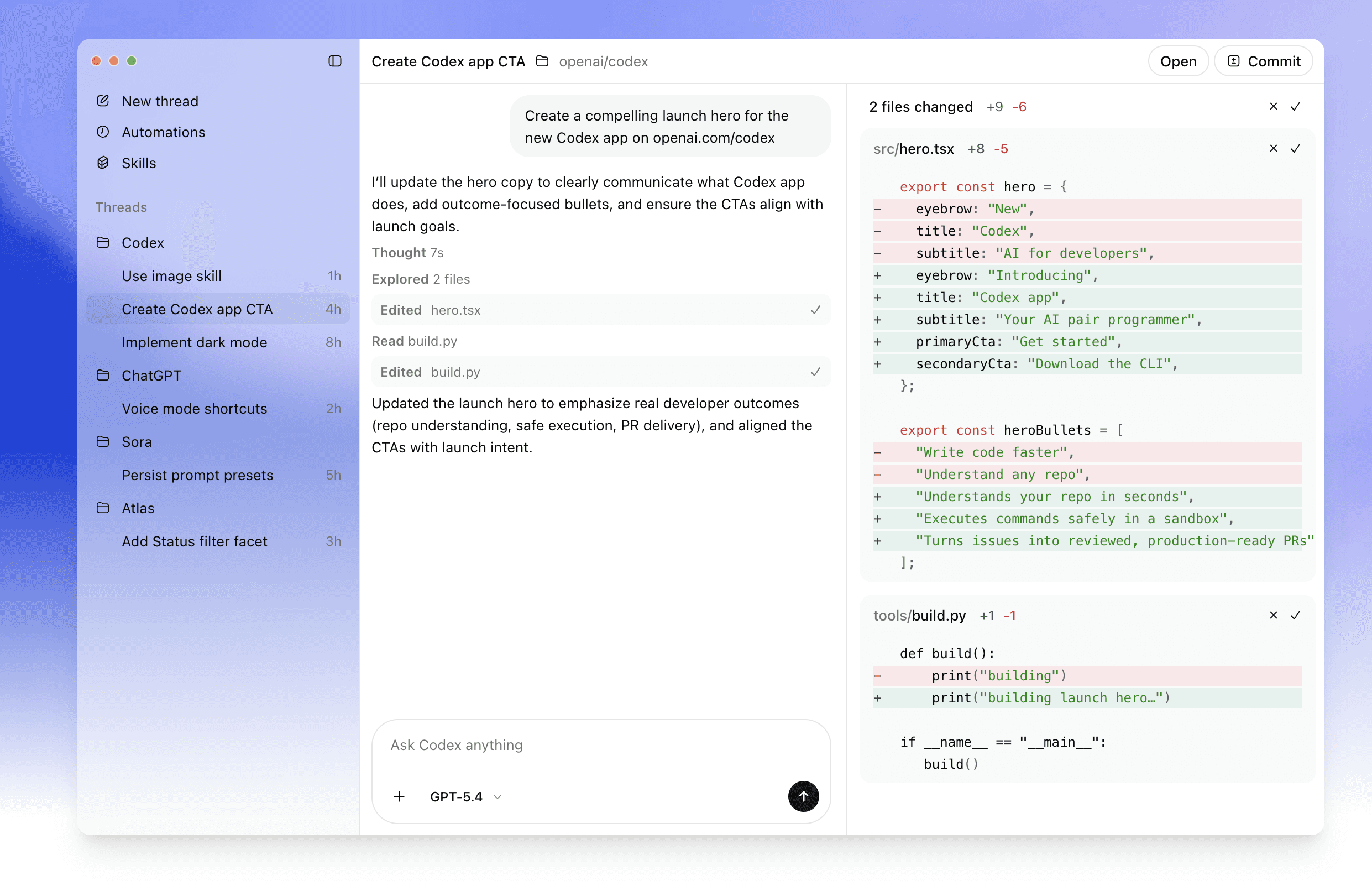
Codex by OpenAI (openai.com/codex) takes a natural-language task and writes, runs, and tests real code for you — great for small tools, automations, and dashboards.
Claude Code by Anthropic (anthropic.com/claude-code) is another great alternative.
The skill worth developing here is knowing what you want to build and being able to describe it precisely. The AI handles the syntax; you handle the thinking.
2. Research
AI research tools go far beyond a standard Google search. They browse multiple sources, cross-reference claims, and synthesize findings into structured answers — which means you can reach better conclusions faster, especially on complex or unfamiliar topics.
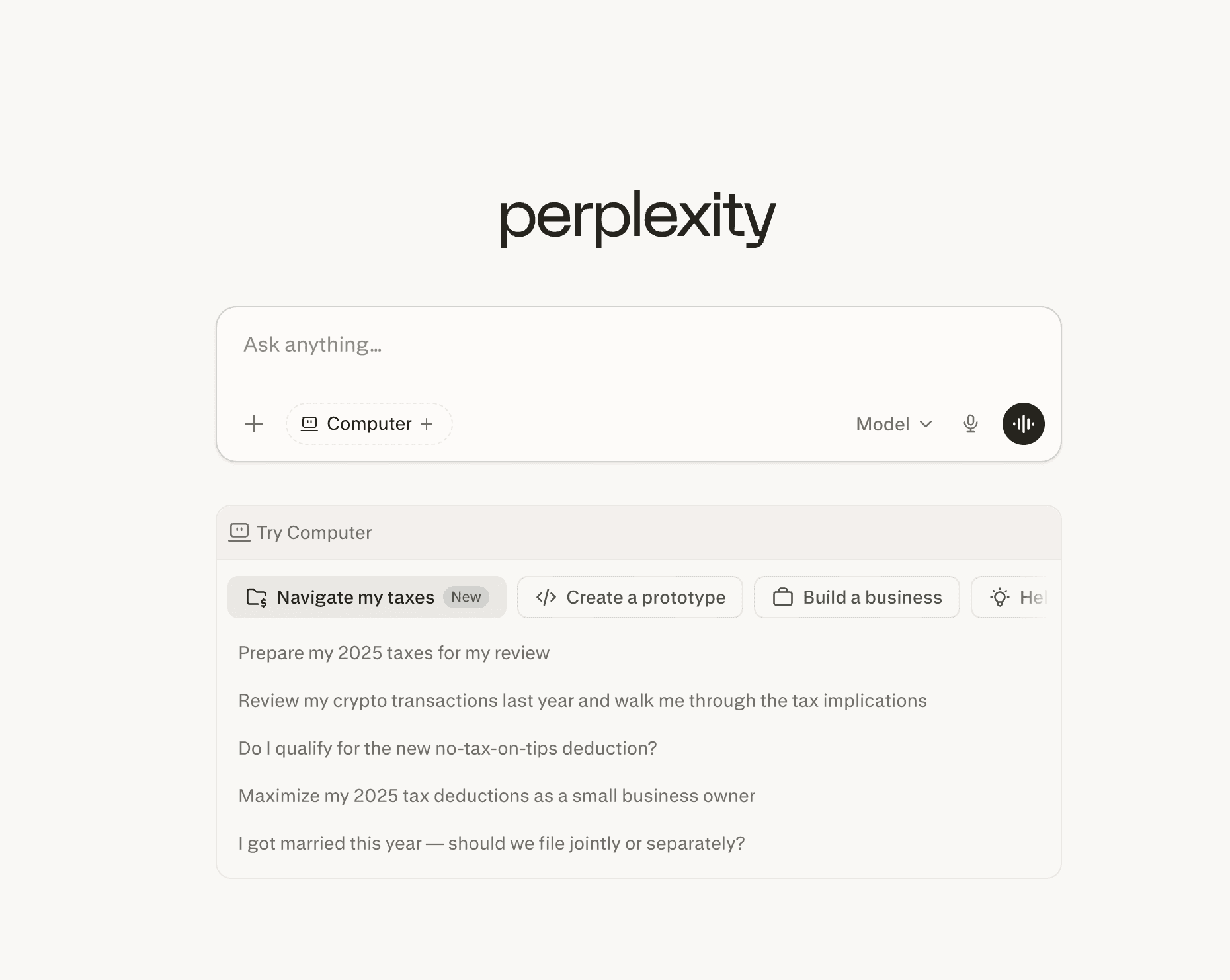
Perplexity (perplexity.ai) works like a search engine that actually reads the pages for you and returns a sourced, summarized answer. It's ideal for quick factual lookups, competitive analysis, or getting oriented on a new subject.
Deep Research by ChatGPT (chatgpt.com/deep-research) goes deeper — give it a complex question and it autonomously browses the web, compares sources, and delivers a full report. That makes it a strong fit for market research, academic deep-dives, or strategic decisions where surface-level answers fall short.
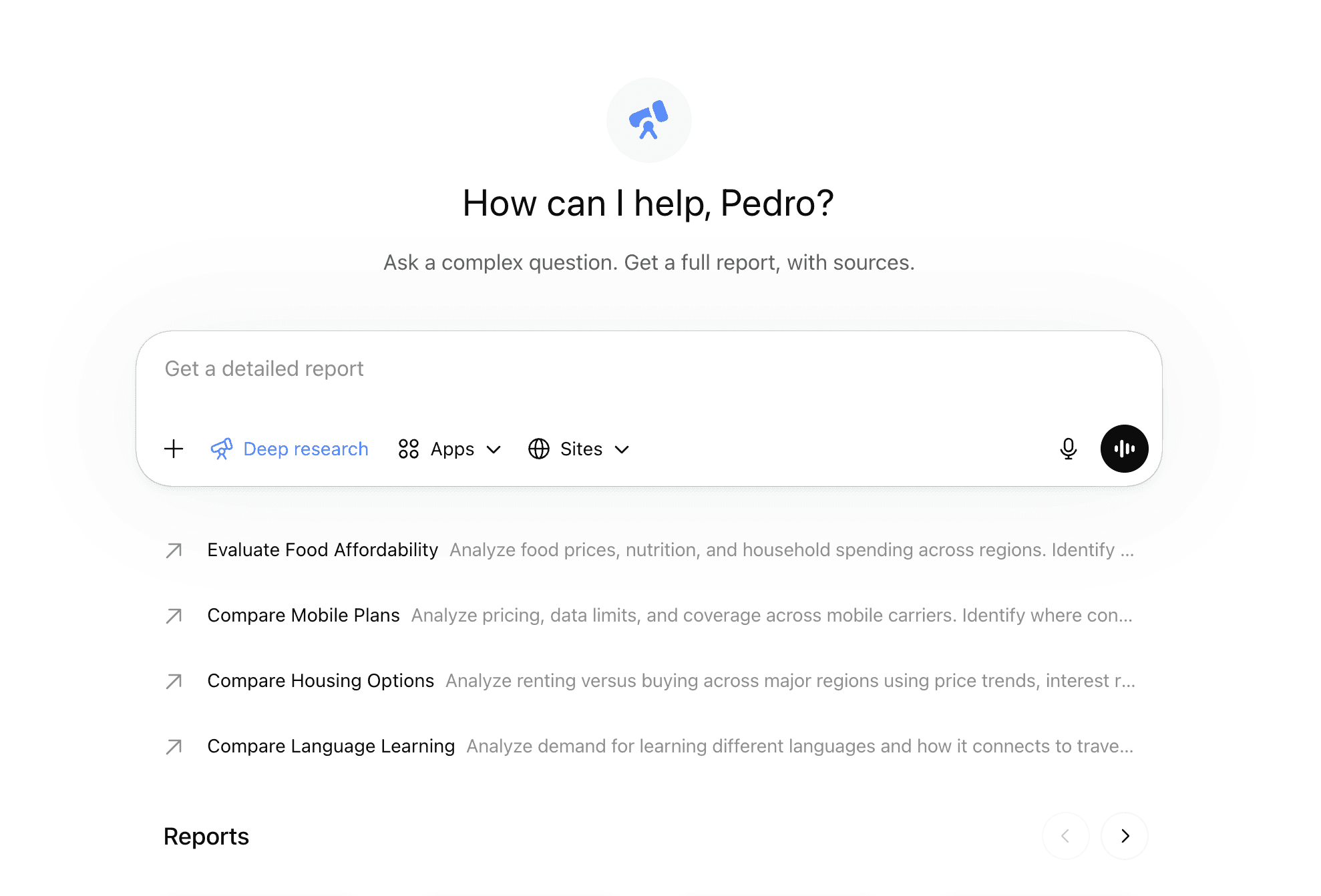
Mastering this matters because it directly determines the quality of the evidence you gather, how much time and money you waste chasing noise, and whether you can trust the conclusions enough to make real decisions from them.
How to Actually Build These Skills?
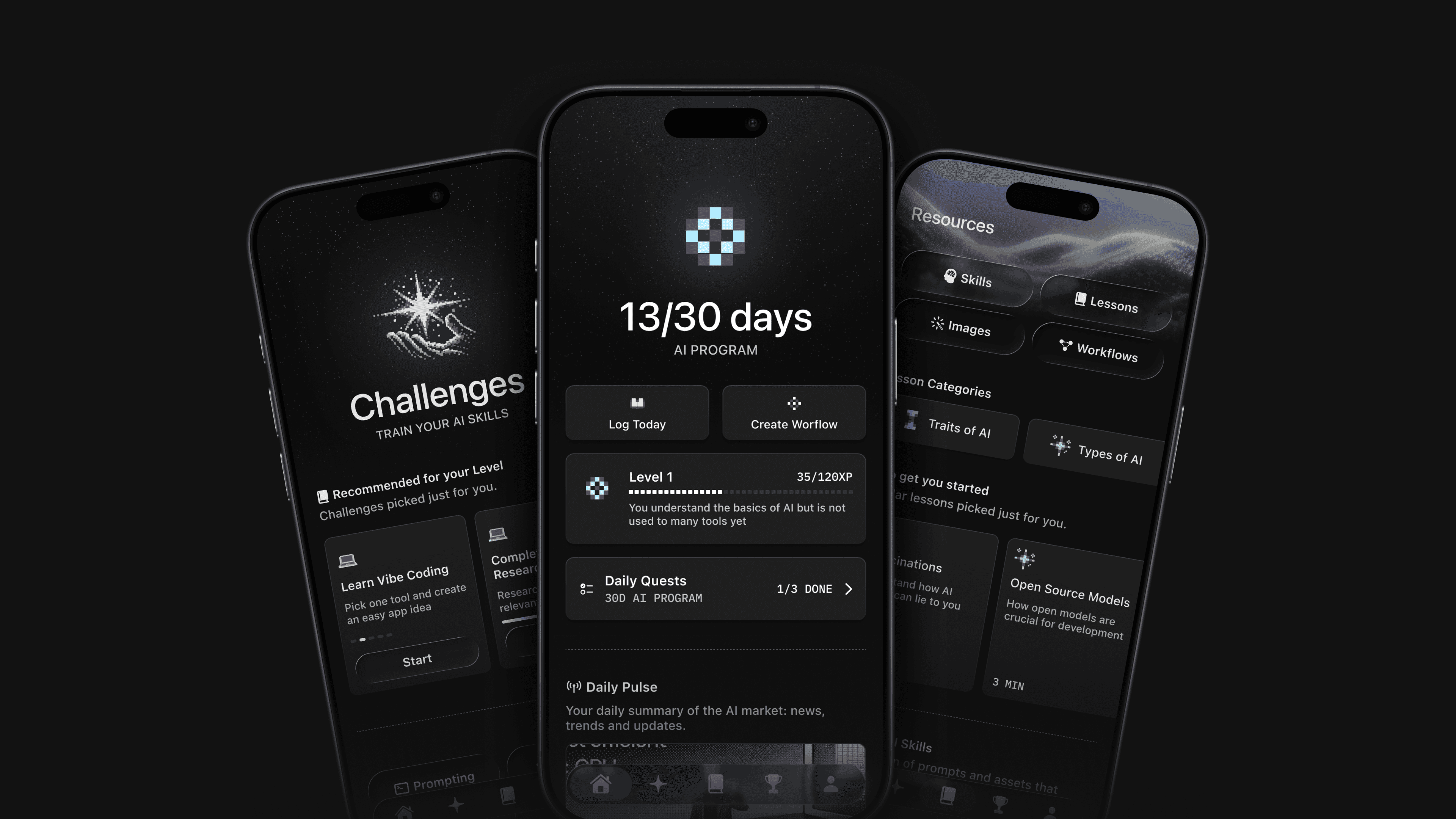
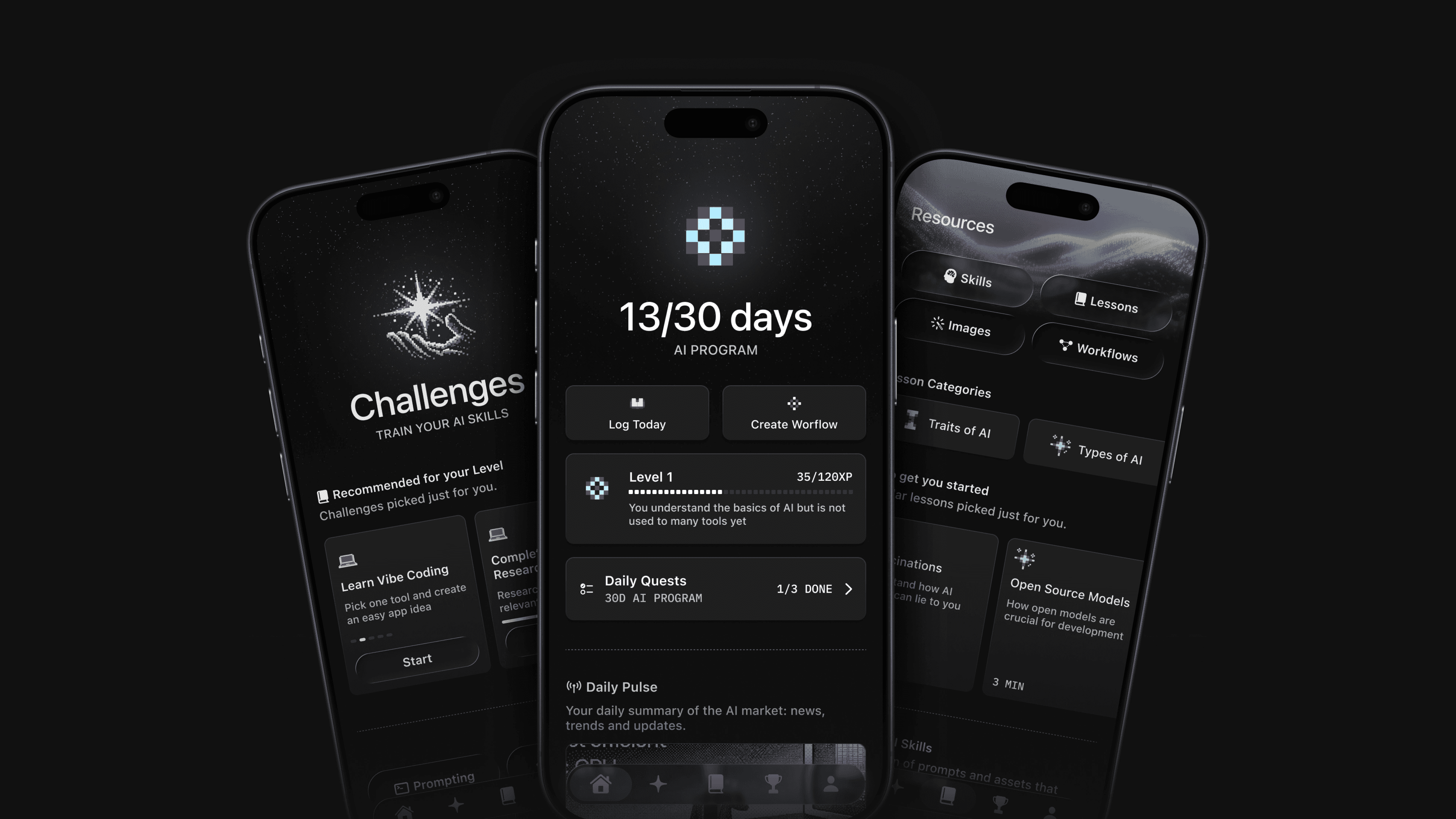
Reading about AI tools is one thing. Actually using them daily is another. Disparity is a 30-day AI challenge designed for beginners — each day you get a new tool or technique to try, with a real task to complete. It turns passive curiosity into active skill-building: Start the challenge here.
3. Prompting
Every AI tool runs on prompts — coding agents, research tools, image generators, chatbots, all of them. Prompting is the foundational skill that makes everything else work better. Most beginners type a vague sentence, get a generic response, and assume that's the ceiling. It usually isn't. A small amount of structure changes the output dramatically.
A simple framework that works well:
Role — Tell the AI who it is. ("You are a senior data analyst...")
Context — Give background. What's the situation? What do you already know?
Task — Be specific about what you want it to do.
Format — Describe how you want the output. (Bullet points? A table? A 200-word summary?)
Constraints — Set boundaries. ("Don't use jargon." "Keep it under 300 words." "Use only data from 2024.")
Once this structure becomes second nature, every AI interaction — whether you're coding, researching, or writing — gets noticeably better.
Final Thoughts
The three skills that matter most in AI right now are building things (vibe coding), finding answers (research), and communicating clearly with AI (prompting). They compound over time, and starting with any one of them gives you a real edge over people who are still only scratching the surface.
Pick whichever feels most relevant to your life right now and try it this week. If you want a structured path through all three, Disparity walks you through it — one day at a time.
Published on
Pedro Schott
Founder @ Disparity