ChatGPT Alternatives: Other Apps to Try in 2026
5-second Summary
ChatGPT is still the best all-rounder, but Claude, Gemini, and Perplexity each do specific things better. Here's when to use each one — and which alternative we'd pick first.
ChatGPT is the default for most people getting into AI, and for good reason. It has the most features, the strongest reasoning, and covers the widest range of tasks in a single app. We still recommend it to our students as the everyday go-to — especially for complex thinking problems, multi-step logic, and anything that requires deep analysis.
But ChatGPT has weak spots. Its writing can feel generic. It hallucinates. And depending on the task, other tools genuinely outperform it. If you've been using ChatGPT for everything, these three alternatives are worth knowing about.
1. Claude — Best for Creativity and Conversation
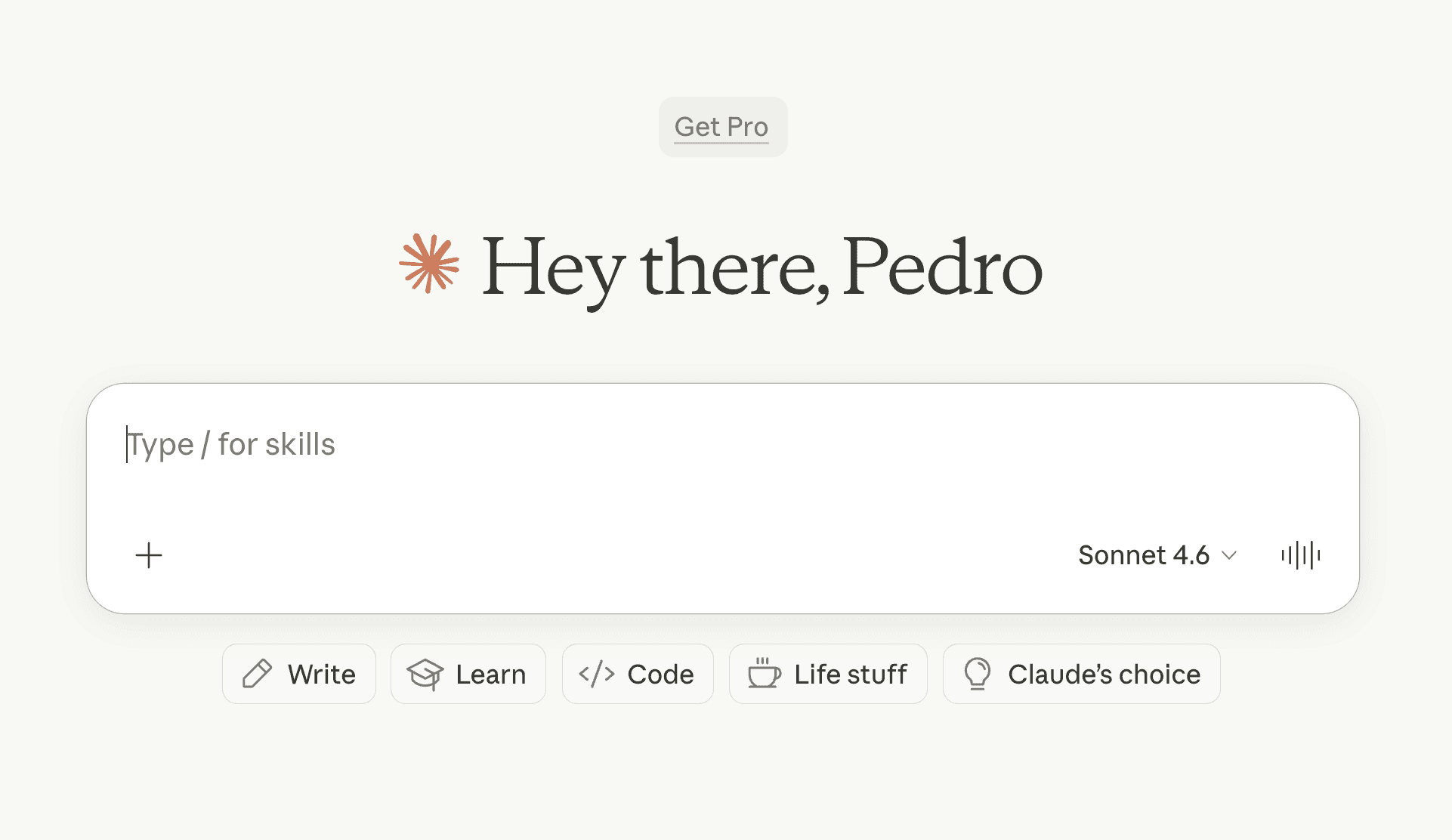
Claude, made by Anthropic, is the AI that feels the most like talking to a smart person. Its responses are thoughtful, natural, and well-structured in a way that ChatGPT often isn't. Where ChatGPT tends to produce functional but templated output, Claude consistently writes with more nuance and personality.
For creative work — writing, brainstorming, editing, refining tone — Claude is our top recommendation among the alternatives. It handles long documents exceptionally well (200K+ token context), which means you can feed it entire reports, codebases, or research papers and get useful output back. Claude Code is also one of the strongest AI coding tools available right now.
Another advantage: Claude's integrations through MCP (Model Context Protocol) actually surpass ChatGPT's in many areas. It connects to more platforms and services than most people realize.
The main trade-offs are that Claude can't browse the web natively and doesn't generate images. You have to bring the information to it rather than asking it to go find things. But if your work involves writing, coding, or thinking through complex ideas, Claude earns its place as the first alternative you should try.
2. Gemini — Best for Google Users
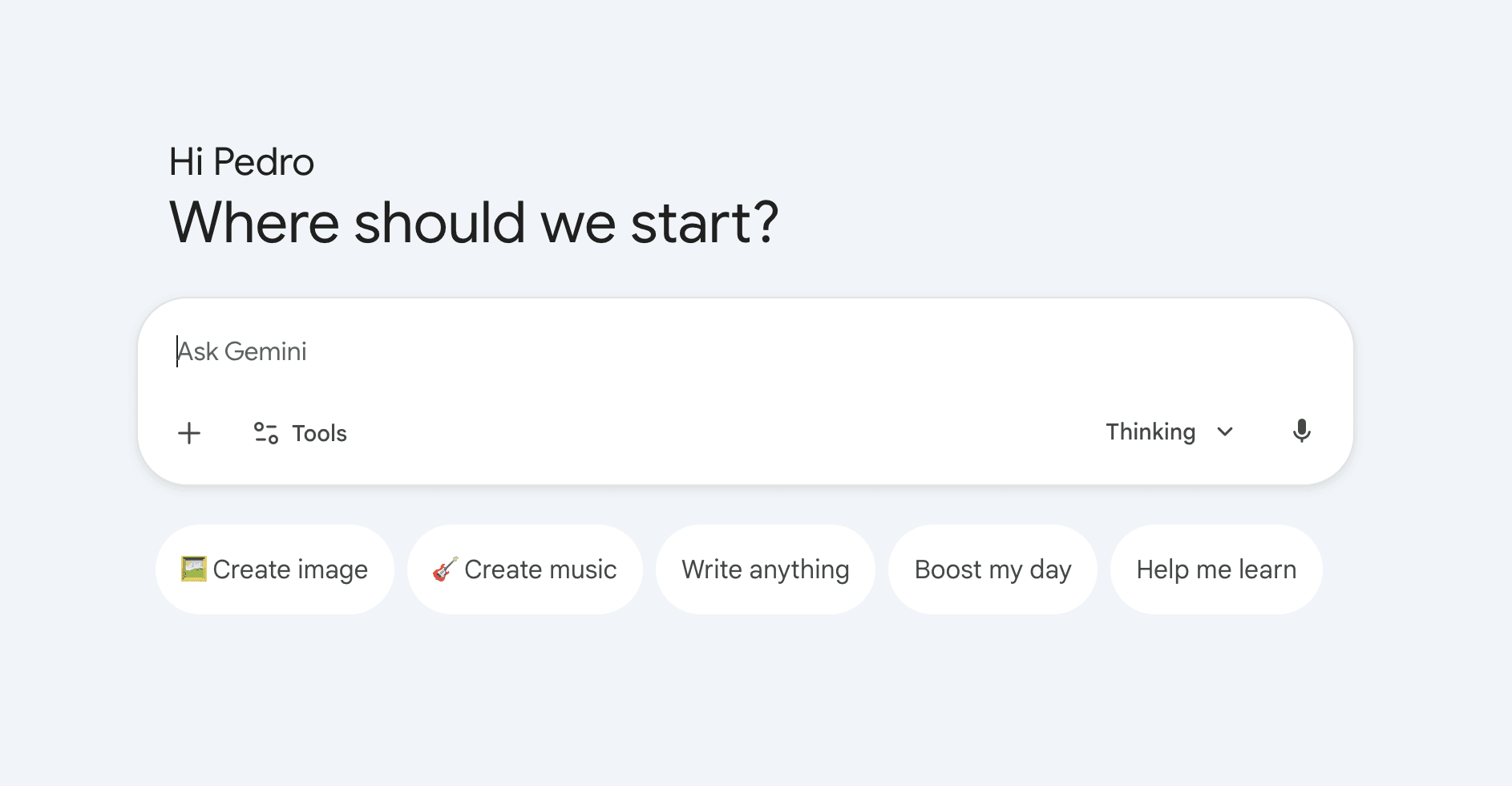
Gemini is Google's AI, and its biggest strength is how deeply it lives inside the Google ecosystem. If your daily workflow runs through Gmail, Docs, Drive, and Calendar, Gemini plugs into all of it natively. No other AI has that level of integration with tools most people already use.
The model itself is genuinely smart — raw intelligence on par with the best available. A lot of users also prefer Gemini's conversational style, especially for learning and explanation. It handles text, images, audio, and video well, and the free tier is generous enough that you can get real value without paying.
Where Gemini falls short is the app experience. Feature-wise, it's behind both ChatGPT and Claude. Responses can be inconsistent — sometimes excellent, sometimes off the mark. And if you're privacy-conscious, using Gemini means routing more of your data through Google's ecosystem.
Gemini works best as a complement to ChatGPT rather than a full replacement, especially if Google tools are already central to how you work.
3. Perplexity — Best for Research
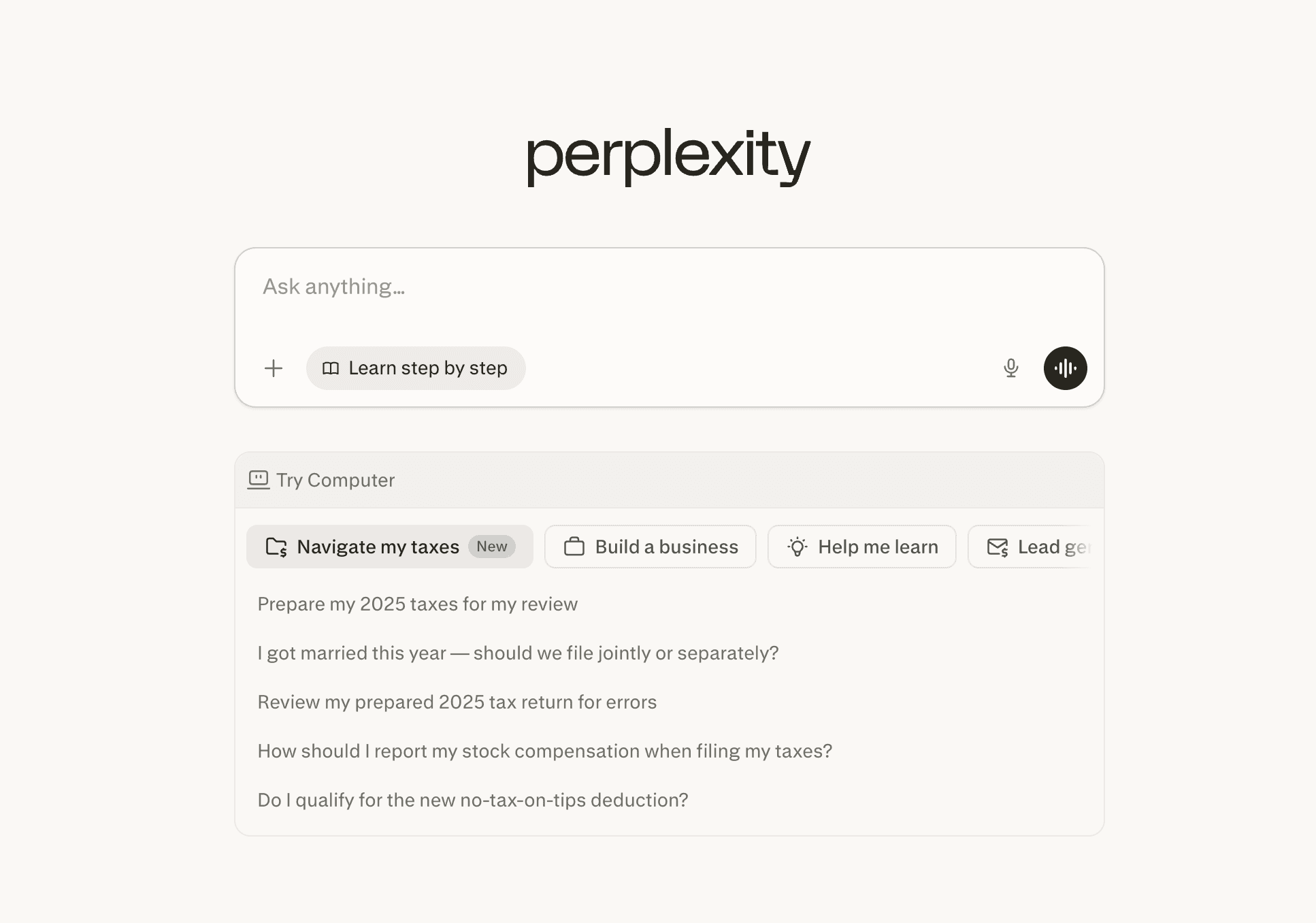
Perplexity approaches AI from a completely different angle. Instead of being a general-purpose chatbot, it's built around real-time web search with citations on every answer. You can actually verify what it tells you, which makes it far more reliable than ChatGPT for anything that requires current, factual information.
It's also a multi-model platform — you can access ChatGPT, Claude, and Gemini models all from one place, which makes it useful as a hub. The recently launched computer-use feature adds an agentic layer where it can perform tasks on your behalf.
The downside is that Perplexity's free tier is very limited, and the real value sits behind a subscription. It's also not the tool for open-ended conversation or creative tasks. Think of it as a researcher, not a collaborator.
For anyone who regularly needs sourced, up-to-date information — market research, competitive analysis, fact-checking — Perplexity fills a gap that ChatGPT still struggles with.
Our Pick
If we had to recommend one alternative, it's Claude. The writing quality, the conversational depth, and the coding capabilities make it the strongest complement to ChatGPT for most people.
That said, we still tell our students to keep ChatGPT as their primary tool. It remains the best overall mix — the most features, the best reasoning, and the widest range of use cases in one place. But pairing it with Claude for creative and conversational work gives you a setup that covers almost everything.
Build Your AI System with Disparity
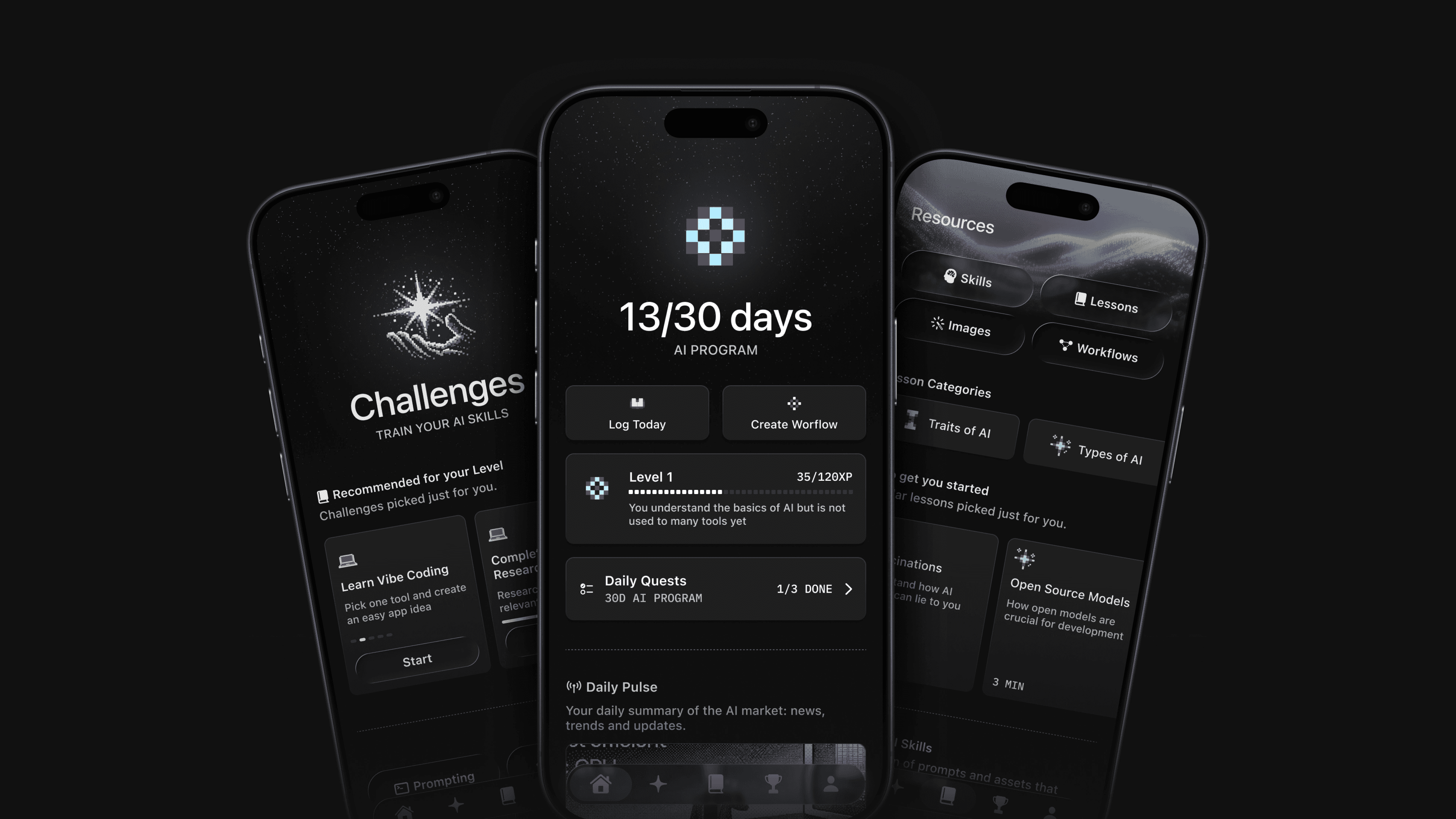
Knowing which chatbots exist is step one. Actually building a consistent practice around them is where most people stall. Disparity diagnoses your AI skill level, gives you a personalized 30-day challenge, tracks your progress, and teaches you the right skills in order — so you stop jumping between tools randomly and start compounding real ability.
Download the app today and start your challenge.
Published on
Pedro Schott
Writer at Disparity